Hardscaping and Front Yard Landscaping Ideas for Santa Ana CA Homes
Santa Ana front yards ask a lot from a landscape. They need to look good through long dry stretches, handle reflected heat from pavement, frame a house attractively from the street, and still feel welcoming instead of hard or sterile. That balance is where thoughtful hardscaping and front yard landscaping make a real difference.
In Santa Ana, the front yard often does more visual work than the backyard. It shapes first impressions, softens architecture, and can even influence how hot a home feels in late afternoon. I have seen two homes on the same block, with similar square footage and nearly identical setbacks, feel completely different because one yard was designed around climate and scale while the other was not. The successful one usually does not rely on more plants. It relies on better decisions.
A strong front yard in this part of Orange County typically blends durable surfaces, restrained planting, and smart water use. The best projects also feel rooted in the neighborhood. A 1920s Spanish revival home wants different lines and materials than a midcentury ranch or a newer infill build. Custom Landscaping ideas matter here because the yard has to match not only the weather but also the home itself.
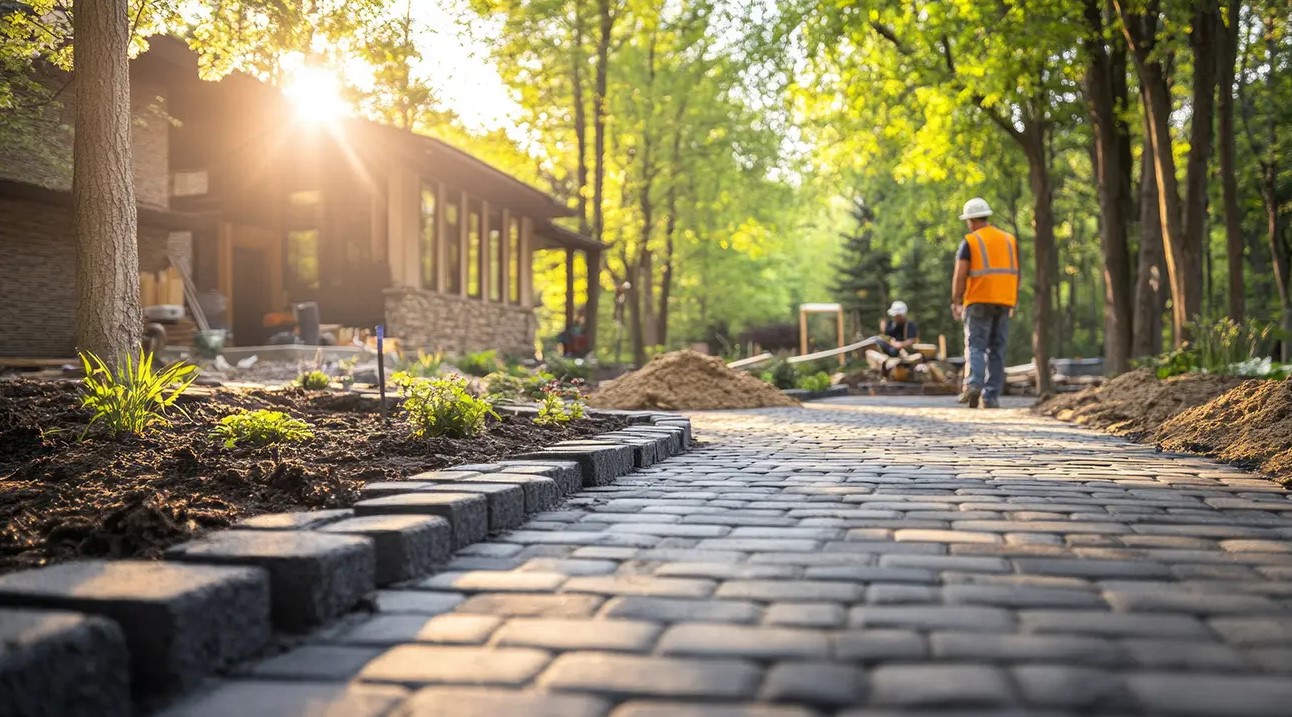
What works in Santa Ana, and why
Santa Ana sits in a warm Mediterranean climate with hot summers, limited rainfall, and plenty of sun exposure. That makes plant selection important, but it also puts pressure on the hard surfaces. Pavers, gravel, decomposed granite, concrete finishes, and natural stone all perform differently depending on sun angle, drainage, and use.
Front yards in older Santa Ana neighborhoods often have modest dimensions. That means every square foot counts. A sprawling lawn may look simple on paper, but in practice it can make the yard feel flat and thirsty. A well-designed hardscape layout can create structure without crowding the space. A path can slow the eye and make the lot feel deeper. A low seat wall can define an entry sequence. A permeable surface can reduce runoff while giving the yard a cleaner, more tailored appearance.
The climate also favors layered planting over dense, high-water borders. Instead of trying to mimic a traditional East Coast garden, successful Southern California landscapes usually work with stronger silhouettes, more open spacing, and texture contrasts. Blue-gray foliage, fine ornamental grasses, sculptural succulents, and compact flowering shrubs often hold up better than soft, lush plantings that require frequent irrigation and pruning.
Start with the bones, not the flowers
A common mistake in front yard landscaping is starting with plant color. People choose blooms first, then try to fit paths, edging, and usable space around them. That usually creates a yard that looks busy but not coherent.
Hardscaping should come first because it establishes how the yard functions. The path from sidewalk to door, the transition from driveway to entry, the relationship between porch and planting bed, and the way grade changes are handled all affect how the yard reads from the street. Once those bones are in place, the planting can support the layout instead of fighting it.
For Santa Ana homes, that often means simplifying circulation. A direct path works well for formal homes. A gently offset path can soften a boxy hardscaping santa ana facade. If the front door is tucked to one side, the hardscape can guide visitors naturally instead of leaving them to guess. This is especially useful on homes with long driveways or attached garages that visually dominate the elevation.
Material choice matters just as much as layout. Smooth gray concrete can look clean on a contemporary home, but on a warm stucco bungalow it may feel cold unless it is softened with aggregate, saw cuts, or a border detail. Clay brick, tumbled pavers, and decomposed granite often sit more comfortably with older architecture. Flagstone can be beautiful, but it needs a clear reason to be there. Without one, it can make a modest front yard feel overdone.
Hardscaping ideas that fit Santa Ana homes
The strongest Hardscaping plans in Santa Ana tend to be practical first, decorative second. They cool the front approach visually, reduce maintenance, and tie the home to the street.
A widened front walk is one of the simplest upgrades with the biggest payoff. Many builder-grade paths are too narrow, usually around three feet. Expanding to four or even five feet changes the feel immediately. The yard looks more intentional, guests move more comfortably, and the entry gains presence.
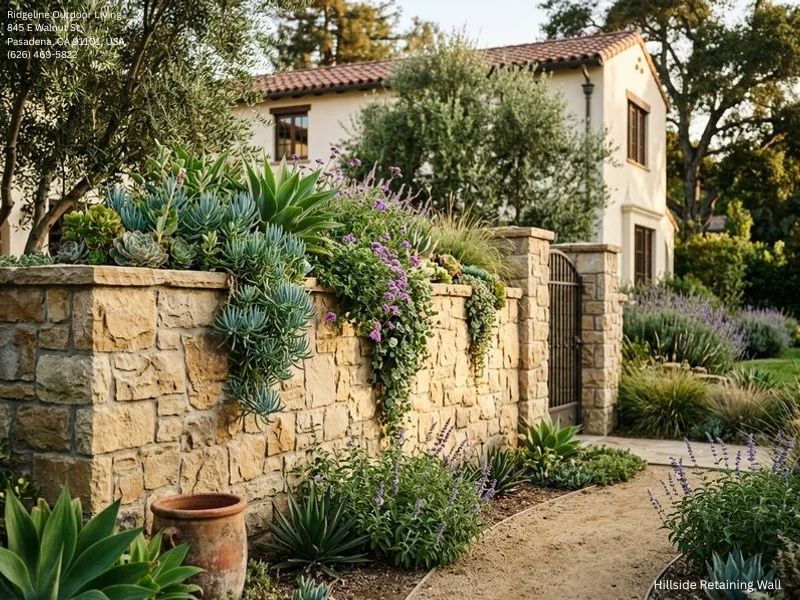
Low retaining walls can solve several problems at once. In neighborhoods with slight grade changes, they help flatten usable planting areas and make irrigation easier to control. They can also frame the walkway or create a subtle courtyard feel near the porch. In Santa Ana, where front setbacks are not always generous, keeping these walls low is usually the right move. Around 16 to 24 inches often gives enough definition without closing off the home from the street.
Driveway bands and ribbons are another effective update. Instead of replacing the entire driveway with an expensive material, homeowners can break up the expanse of concrete by introducing paver borders or planting strips. That reduces visual heat and gives the landscape a more custom look. On larger lots, two concrete wheel strips with gravel or low groundcover between them can look excellent, though they need careful installation to stay neat over time.
Permeable surfaces deserve a close look in front yard projects. Gravel, decomposed granite, and permeable pavers allow water to infiltrate rather than sheet off. That is not just an environmental talking point. It affects plant health, reduces puddling near walks, and often makes a yard feel less harsh. The trade-off is maintenance. Loose gravel migrates. Decomposed granite can rut if installed poorly. Permeable pavers need a proper base. When done well, though, they are often more attractive than standard concrete.
Lighting should be considered part of the hardscape, not an afterthought. A front yard that looks balanced by day can become flat or awkward at night if the path and entry are not lit properly. In most residential settings, subtle path lights, downlighting at the porch, and one or two low accent fixtures are enough. Overlighting a small front yard can make it feel commercial.
Front yard landscaping that looks full without wasting water
Lawn still has a place in some Santa Ana yards, especially where children play in the front or where the architecture benefits from a simple green foreground. But many homeowners are moving toward lower-water compositions, and for good reason. Water use, maintenance time, and heat tolerance all favor a more selective planting strategy.
That does not mean replacing grass with a sea of rock. Pure rock landscapes often photograph neatly but feel hot, flat, and unforgiving in real life. They also reflect heat onto windows and nearby plants. Better drought resitant landscaping uses a mix of hardscape, mulch, and layered plantings to create relief and rhythm.
A front yard should usually include three visual layers. The lowest layer covers the ground and knits the design together. That might be a low-growing groundcover, mulch with spaced accent plants, or a gravel field punctuated by soft planting pockets. The middle layer provides bulk and seasonality. Compact shrubs, grasses, and mounding perennials do this work well. The upper layer comes from one or two small trees or strong vertical accents that give the yard identity.
In Santa Ana, some of the most reliable performers come from Mediterranean and dry-climate palettes. Deer grass, lomandra, westringia, lavender, salvia, agave, kangaroo paw, and certain manzanita cultivars often do well when sited correctly. For trees, olive, strawberry tree, desert willow, and some smaller acacia or palo verde selections can suit the climate, though the right tree depends heavily on lot size, root space, and the style of the home.
Color is best used strategically. Too many flower colors in a small front yard can make the space look chaotic from the street. A tighter palette, perhaps silver foliage with purple blooms and one warm accent, usually reads as more sophisticated. White flowers can be especially effective in evening light, which matters in neighborhoods where people often arrive home near sunset.
Five design moves that consistently improve curb appeal
- Create one clear focal point, usually the entry path, porch, or a specimen tree near the front walk.
- Limit the hardscape palette to two main materials so the yard feels cohesive rather than pieced together.
- Use plants in repeating groups instead of one-off specimens scattered across the yard.
- Add vertical variation with a small tree or upright accent so the landscape does not stay at one flat height.
- Keep open space on purpose, because negative space helps the house and planting beds breathe.
These are simple moves, but they solve many of the front yard problems I see most often. Homes look more expensive when the design is edited. Not fuller, edited.
Matching landscape style to architecture
A front yard should not compete with the house. It should clarify it.
For Spanish and Mediterranean homes, warm materials usually feel right. Terra cotta tones, gravel, soft stucco-adjacent colors, and plantings with silver or blue foliage can complement the architecture without turning the yard into a theme park. A curved path, a small courtyard wall, and clipped but relaxed shrubs often suit these homes better than stark modern geometry.
Ranch homes benefit from horizontal emphasis. Broad planting beds, low masses, and strong lines that echo the long roofline create a settled, grounded look. These homes often take well to concrete flatwork with subtle scoring, decomposed granite side paths, and textural planting rather than ornate detail.
Contemporary homes can handle bolder contrast. Large-format pavers, black or charcoal accents, clean gravel fields, and sculptural plants such as aloe or agave can work beautifully. The risk is overdoing it. A small Santa Ana lot can become severe very quickly if every line is razor sharp and every plant is architectural. Softening with grasses or one airy tree often makes the design more livable.
Craftsman and bungalow homes usually respond best to human-scaled details. Brick edging, modest seat walls, simple path lights, and plantings with seasonal movement feel appropriate. These homes rarely need flashy hardscaping. They need proportion and warmth.
Water-smart design without the sterile look
A lot of homeowners ask for low-water landscaping, then worry the yard will feel bare. That concern is valid. Some so-called drought-tolerant landscapes are just sparse installations with decorative gravel and very few plants. They use less water, yes, but they also fail to create comfort.
The better approach is hydrozoning and soil improvement. Group plants with similar water needs. Improve planting areas with compost where appropriate. Use mulch to reduce evaporation. Install drip irrigation carefully rather than assuming any drip system is efficient by default. Poorly laid drip lines can waste just as much water as badly aimed spray heads.
It is also worth thinking about shade as part of water management. A small tree that shades a west-facing planting bed can reduce stress on everything below it. Shade also makes the front yard feel cooler and more finished. One good tree often does more for comfort than ten extra shrubs.
If homeowners are specifically searching for “drought resitant landscaping,” what they usually want is a yard that stays attractive through summer without demanding constant irrigation or weekly fuss. That is achievable, but it requires restraint. Fewer plant varieties, stronger placement, and better mulch generally outperform a crowded palette of specialty plants.
Drainage, heat, and maintenance, the practical side nobody should ignore
Pretty renderings do not show runoff at the base of a walkway or the way a dark paver can become painfully hot in August. Real front yard design has to account for use and exposure.

Drainage is often underestimated in Southern California because rainfall is infrequent. But when rain comes, it can come fast. Front yards should slope deliberately, especially where new hardscaping meets the foundation, porch, or driveway. Permeable areas help, but they are not a cure for poor grading. Water should move away from structures and not collect in planting beds where roots can rot.
Heat reflection is another issue. White gravel can look bright and tidy, but in full sun it can be glaring. Dark pavers absorb heat. Large concrete expanses radiate warmth back into the yard. In Santa Ana, where summer heat lingers into the evening, balancing surface temperatures matters. Mixing shaded planting zones with lighter but not blinding hardscape materials is often the sweet spot.
Maintenance should also be discussed honestly. Every material and planting style has a labor profile. Gravel requires occasional raking and weed control. Decomposed granite needs edge restraint and touch-ups. Succulent gardens are not maintenance-free, especially if leaves drop into rosettes or if plants outgrow their spacing. Even a low-water front yard still needs periodic pruning, irrigation checks, and seasonal cleanup.
Four mistakes that make front yards feel dated fast
- Installing too many small decorative elements, such as mixed stone types, ornamental boulders, and unrelated accents.
- Choosing plants based only on bloom color without considering mature size, sun exposure, or long-term shape.
- Removing all lawn and replacing it with only rock or gravel, which often creates a hotter and less inviting entry.
- Building hardscape features out of scale with the lot, especially tall walls, oversized columns, or wide empty patios in the front yard.
These mistakes usually come from trying to add value through more features. Most of the time, value comes from better proportion and better material discipline.
Budget priorities for a front yard remodel
Not every Santa Ana homeowner wants a full redesign, and not every property needs one. If the budget is limited, start where improvement will be felt most. The entry path is often the best first investment. It affects daily use and curb appeal at the same time. After that, address irrigation and drainage. There is little point in buying quality plants if the watering system landscaping santa ana - Ridgeline Outdoor Living is inconsistent or the grading is wrong.
Plant size is another place where judgment matters. Bigger is not always better. Oversized nursery stock gives an instant look, but it is expensive and can struggle to establish. Well-chosen one-gallon and five-gallon plants often catch up surprisingly fast in this climate, especially when soil prep and irrigation are done properly. I have seen homeowners spend heavily on mature specimens, only to watch them decline because the infrastructure under them was rushed.
Hardscape budgets can also be controlled through selective use of premium materials. A full natural stone front yard may not make financial sense, but a stone porch landing paired with simpler field materials can still look custom. The eye reads the detail near the entry first. Spend where it counts.
Small front yards need discipline, not more decoration
Many Santa Ana homes sit on lots where the front yard is visible but not especially deep. In these spaces, restraint is everything. One clean walkway, landscapers in santa ana ca one or two well-composed planting beds, and a small tree can outperform a crowded design with six shrub species, decorative gravel, and meandering borders.
Scale is the deciding factor. A compact yard cannot support every idea. If you want a specimen agave, a flowering tree, a seat wall, decorative boulders, and a wide lawn panel, something will start to feel forced. Good Custom Landscaping ideas are not about squeezing in more features. They are about editing until the strongest elements remain.
I remember a small front yard near Floral Park where the original layout had a narrow straight walk, patchy grass, and foundation shrubs trimmed into boxes. The owners were ready to add several ornamental features, including a fountain. What actually transformed the yard was much simpler: widening the path, adding a low brick edge that matched the house, replacing the lawn with a smaller central green and flanking planting beds, and installing one multi-trunk tree. The project felt richer afterward, not because it had more in it, but because every piece related to the architecture and the lot.
A front yard that ages well
The best front yards in Santa Ana do not peak on installation day. They improve over time. Plants settle in, shade develops, and the materials take on a bit of character. That only happens when the original decisions are sound.
Choose hardscape materials that fit the house and climate. Keep circulation clear. Let plants have room to mature. Build in water efficiency without making the yard feel lifeless. Use structure to support beauty, not replace it.
Hardscaping and front yard landscaping are often discussed as separate topics, but in practice they are inseparable. The paving, walls, edging, and planting all shape the same experience. When they are designed together, a front yard can feel calm, refined, and distinctly suited to Santa Ana. It can also be easier to maintain, more resilient in dry weather, and more valuable to live with every single day.